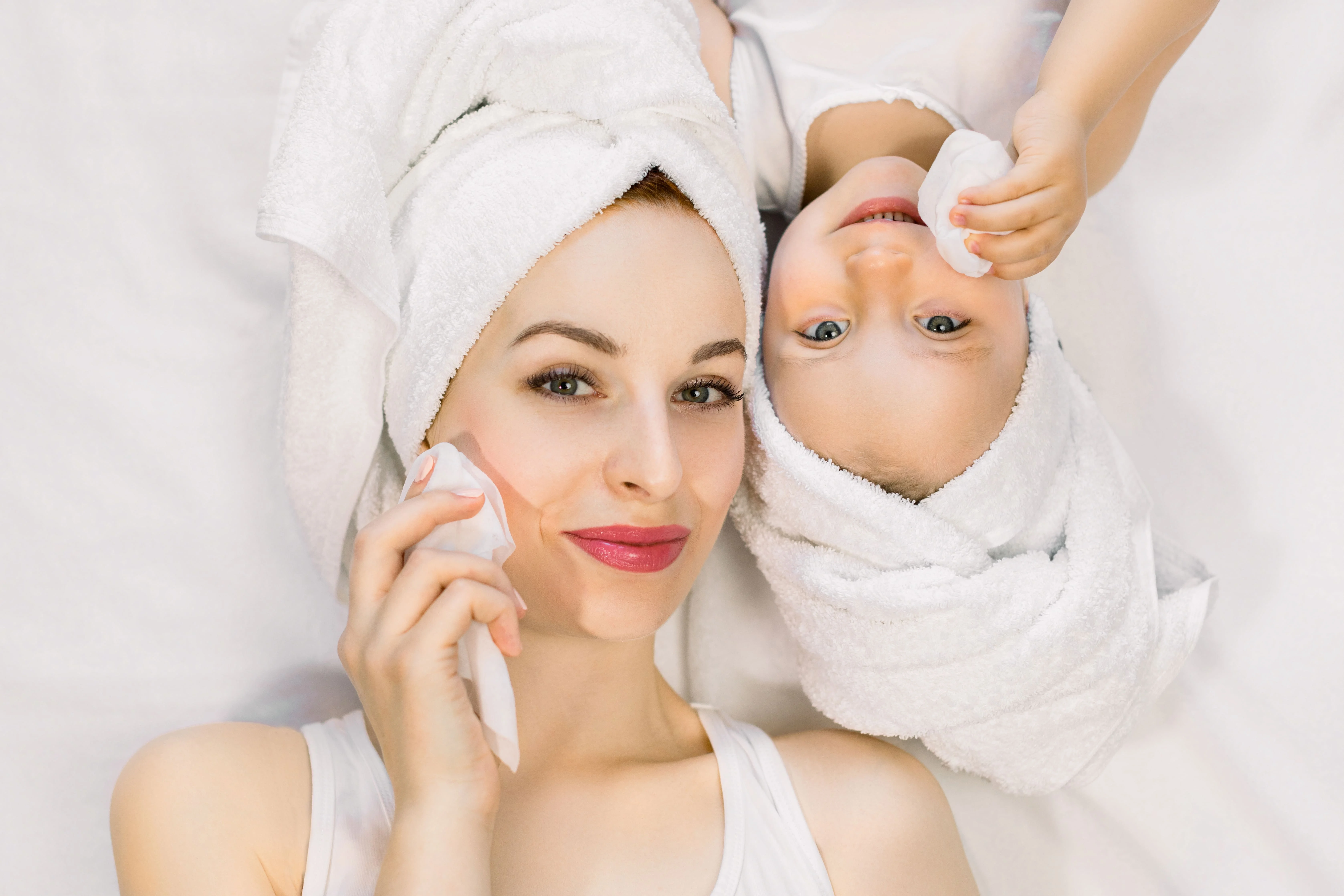
Many new mothers face skin issues and overlook postpartum skin care while adjusting to new lifestyle with a newborn. The starting phase of pregnancy brings the famous “glow”, but once the baby is born, your skin may face challenges. Sleepless night, hormonal changes, and stress can cause dryness, dark spots or patches, and acne. Mother’s need to stop worrying, as this is completely normal. But they need to learn to take care of their skin during this time can help a lot.
Journey of woman’s postpartum is unique, and so are the skin care issues. Some may face issues with melasma or pigmentation, while others might notice breakouts or dullness. The best thing is that with effective postpartum skin care, your skin can recover easily and feel more gentle. Following slow and consistent steps go a long way in restoring skin health.
Postpartum skin care is to help your body heal and feel good, after the changes due to pregnancy and childbirth. And not just to enhance beauty. Adding few simple steps and tips can help in skin yo recover smoothly. Sometimes skin itself improves with time.
Treating your skin with patience and kindness can help in faster and smoother recovery. Postpartum Skin Care is more about comfort, and regaining back your confidence.
Skin goes under drastic change during and after pregnancy. It becomes important to do postpartum skin care when your body is under the phase of new adjustments. Some of the common reasons are:
Postpartum acne appears only after delivery. With time skin settles and adjusts to new changes. So be patient and follow skin care tips.
Certain skin issues like melasma or acne that on severe scale may require medical help. It is recommended to consult a doctor and take medication to settle these conditions.
Sometimes mothers use home remedies to protect their skin, but remember these remedies do not work all the time. Reaching out to a dermatologist becomes extremely important to get proper medication, especially for mothers who are breastfeeding a newborn.
These breakouts, dark patches, and marks can make you feel under-confident and might impact your mood and self-esteem.
After childbirth, mothers often go through hair fall and irritation or itchy scalp which is a sign to consult a doctor for further assistance.
Modern mothers are very conscious about their body type, skin, and hair. Even a slight change affects their confidence. So, it is recommended for all mothers to keep patience, consult a good doctor, and follow up a proper routine for skin repair.


Aliqu justo et labore at eirmod justo sea erat diam dolor diam vero kasd

TheParentsVerse is your trusted source for parenting tips, news, and lifestyle updates. Explore our content to support every stage of your parenting journey.
© Theparentsverse. All Rights Reserved.