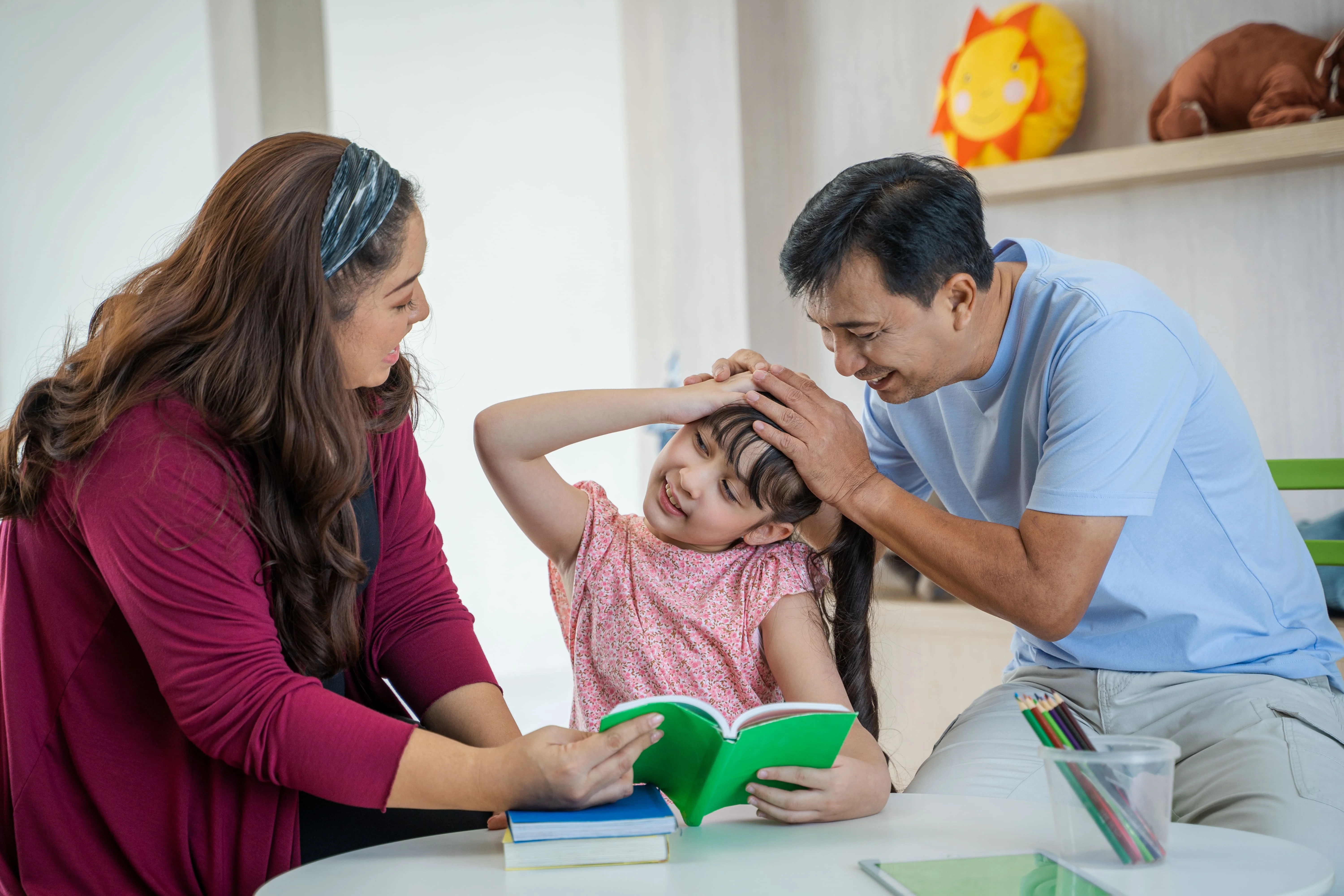

Does your kid also lose his/her temper easily? Do they often look upset, anxious, or overwhelmed? If yes, we are in it together. Kids often struggle with big emotions, where parents feel unprepared. This uncalled situation puts them under pressure. To help kids manage stress and emotional outbursts is another important part of parental strategies, which parents need to understand and act upon
In psychology, “flipping your lid”, describes a situation where the child’s brain becomes overwhelmed. The part of the brain that is responsible for calm thinking called the prefrontal cortex, shuts down. This leads your child to act impulsively and act on strong feelings. They lose the ability to think and solve problems, so they might cry, yell, or shut down. These are the signs of emotional dysregulation.
| Category | Description | Example |
|---|---|---|
| Validate Their Feelings | It is important to let your child know that it is okay to feel certain emotions. Being angry, upset, or scared is part of life. | Say things like, “I see you are really anxious and scared right now. I’m here with you.” |
| Identify the Trigger | Often put up questions from your child to understand what is bothering them. Just by listening, asking open-ended questions to understand what is bothering them, being present, and listening is not enough, it needs to be effective. | Say things like, “I know I am your parent, you may feel inhibitions sharing with me, but I am here, you can ask me for any suggestion you need”. |
| Teach Deep Breathing | Teach your kids to take a deep breath and move forward slowly. | Count with your child till five while doing inhaling and exhaling exercise. |
| Offer Comfort | Hugs often work magically. Just a hand on the shoulder is a great comfort. To make child feel safe give them physical reassurance. | Tell them it is okay to have weak moments sometimes, but everything will eventually fall into places. |
| Encourage Participation | Encourage them to engage in creative activities like reading, colouring, sports or whoever that comforts them. Such activities create a space for relaxation. | Tell them sometimes doing nothing important is okay. Take a break and follow your hobbies. |
| Seek Professional Help | If kids frequently face emotional distress that is intense, reaching out to a mental health specialist is a must. | Tell them societies do judge but because of that never hesitate to take help when in need. At the end it is your life and health. |
Stress in kids is not caused by just bad events. Even good changes, like holidays, school transfer, or any other transitions can be the reason behind it. Stress is the brain's way of reminding you something important is near or is happening. Be ready for it.
A little bit of stress, with the right support, can be helpful and not harmful. It helps a child become stronger, face challenges, build resilience and develop problem solving skills. A real-time example of this is feeling nervous before a presentation or any competition. This type of stress is normal, so a pep-up talk before it can encourage and help them perform better.
Stress which lasts longer, is intense, or lacks good support can harm your child’s health. Persistent stress without break or guidance can impact both physical and mental health.
| Positive Stress | It is a mild and temporary stress that motivates action. A real-time example of this is school project deadlines. |
|---|---|
| Life Event Stress | It is caused by big changes, divorce between parents, illness, moving, or a death of close ones in the family. |
| Chronic Stress | It is the ongoing challenges with no relief, like bullying or living in an environment that makes your child feel unsafe. |
| Traumatic Stress | It is the result of intense experiences like abuse, violence, or serious accidents. |

• Set a healthy routine for the kids, it brings a sense of responsibility and predictability in them. Stick to regular bedtime, meal time and daily work hours. Small habits help kids feel safe and calm.
• Teach kids how to manage stress through: Breathing exercises, journaling or drawing, Taking breaks, Practising gratitude, meditation, yoga or friendly walks.
• Do not step in to fix every challenge, let them sometimes deal with the situation and learn. But you can surely help your child in planning, problem-solving, and building confidence. For example, teach time management instead of packing their school bag for them.
• When facing change, walk your child through what to expect. Whether it is a new school or a move, talk about the positive aspects, answer their questions, and keep them involved.
• Playing is a natural stress reliever for kids. Make space for unstructured play, art, outdoor time, and family or friend connections. These activities reset the nervous system.
. If stress continues for weeks, consult your child’s doctor or a licensed therapist. One needs to understand there is no shame in taking professional guidance.
. Always understand, kids learn from what they see. Show them how you calm down after a long day or how you talk about your feelings. Be open about your coping strategies.
| Causes of Stress in Children | Effects of Stress on Children |
|---|---|
| Peer pressure or bullying | Headaches or stomachaches |
| Pressure caused due to Academics | Trouble sleeping |
| Family problems or change in family structure | Low concentration power |
| Challenges faced due to disasters or illness | Anxiety or sadness |
| Over-scheduling | Fatigue or irritation |
| No Proper Routine | |
| Unsupervised or excessive screen time |
Sometimes, stress is too much to manage at home. If your child shows signs of distress withdrawal, aggression, changes in appetite or sleep patterns, talk to a mental health expert. Therapy can help children process trauma, and build coping tools.
Stress is a part of life, every child will face it at some or the other point of their life, coping up with stress is important. But with your love, patience, and the right tools, they can learn to handle it. Supporting your child’s mental health today sets them up for a stronger, more balanced tomorrow.
It is important to talk to your child about their feelings. Parental strategies include, you being a good listener, listening to what they are going through. Make sure, they feel seen and heard. And when in doubt, reach out to your child’s doctor or school counsellor for help.


Aliqu justo et labore at eirmod justo sea erat diam dolor diam vero kasd

TheParentsVerse is your trusted source for parenting tips, news, and lifestyle updates. Explore our content to support every stage of your parenting journey.
© Theparentsverse. All Rights Reserved.